
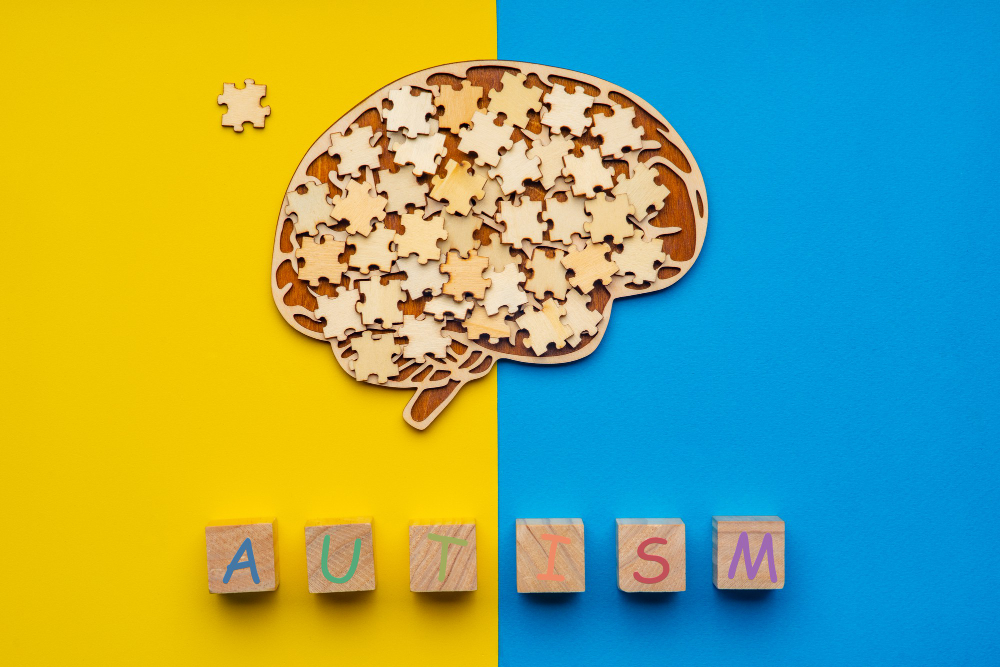
What Is Behavioral Therapy for Autism?
Behavioral therapy for autism is a proven way to help people with autism learn new skills. It uses special methods to change behaviors and improve daily life. In fact, many experts recommend it as one of the best autism treatment options. Early support can make a big difference. For this reason, families often look for behavioral therapy soon after diagnosis.
Common Types of Behavioral Therapy
There are several types of behavioral therapy for autism. Each one uses different tools to help children and adults. Here are the most common:
How Behavioral Therapy Helps Children and Adults with Autism
Behavioral therapy can help people with autism in many ways. For example, it can improve social skills, language, and self-care. It also helps reduce problem behaviors, such as tantrums or aggression. Over time, many children and adults learn to handle daily tasks better. Because of this, they may feel more confident and independent. According to the CDC, early therapy often leads to better long-term results.
Signs That Behavioral Therapy May Be Beneficial
Some signs suggest that behavioral therapy could help. If you notice any of these, consider talking to a specialist:
Even if only a few signs are present, behavioral therapy for autism can still help.
What to Expect During Therapy Sessions
Each therapy session is tailored to the person’s needs. Usually, sessions last from 30 minutes to two hours. At first, the therapist will assess strengths and challenges. Next, they set clear goals. During sessions, the therapist uses games, pictures, or rewards to teach skills. Families may watch or join in. Over time, progress is tracked and goals are updated. Because therapy is a team effort, regular feedback is given to families.
Tips for Families and Caregivers
Supporting a loved one with autism can feel overwhelming. However, there are ways to help:
Above all, remember that progress takes time. Patience and encouragement are key.
Evidence-Based Benefits and Outcomes
Many studies show that behavioral therapy for autism leads to real improvements. For instance, children often gain better language and social skills. Adults may learn to manage emotions and daily tasks. According to the CDC and WHO, early and ongoing therapy offers the best outcomes. In addition, ABA therapy benefits include reduced problem behaviors and increased independence. Families also report less stress when they receive autism support for families.
How to Find Qualified Therapists
Finding the right therapist is important. Here are some steps to help:
Because every person is unique, finding a good match can take time. However, the right support can make a big difference.
Conclusion
Behavioral therapy for autism offers hope and real change. With the right approach, children and adults can learn new skills and enjoy a better quality of life. If you think behavioral therapy may help, consult Dr Sandeep Chary for personalized guidance on autism care.