
Introduction
Hearing loss affects millions of people worldwide. It can happen at any age. Early detection of hearing loss is very important. When you notice changes in your hearing, you should act quickly. This helps prevent further problems. In many cases, a simple hearing test can spot issues early. Because hearing is vital for daily life, knowing when to get checked is key. According to the World Health Organization (WHO), over 5% of people have disabling hearing loss. So, paying attention to your hearing health matters.
Common Symptoms of Hearing Loss
Sometimes, hearing loss develops slowly. You may not notice it right away. However, certain signs can help you spot a problem early. For example, you might:
Additionally, ringing in the ears (tinnitus) can be a sign. If you notice any of these, it may be time for a hearing test.
Causes and Risk Factors
There are many reasons why hearing loss can happen. Some causes are temporary, while others are permanent. Common causes include:
Moreover, some people have a higher risk. For instance, older adults, people with family history, or those who work in noisy places should be extra careful. The Centers for Disease Control and Prevention (CDC) notes that noise-induced hearing loss is common but preventable.
When to Consider a Hearing Test
Knowing when to get a hearing test is important. You should consider a test if you:
Furthermore, regular hearing checks are wise, even if you feel fine. Early detection of hearing loss can help you get the right treatment sooner. If you search for a “hearing test near me,” you can find local clinics or ENT specialists. Many offer quick and painless tests. In some cases, your doctor may suggest an ENT hearing assessment for a more detailed check.
What to Expect During a Hearing Test
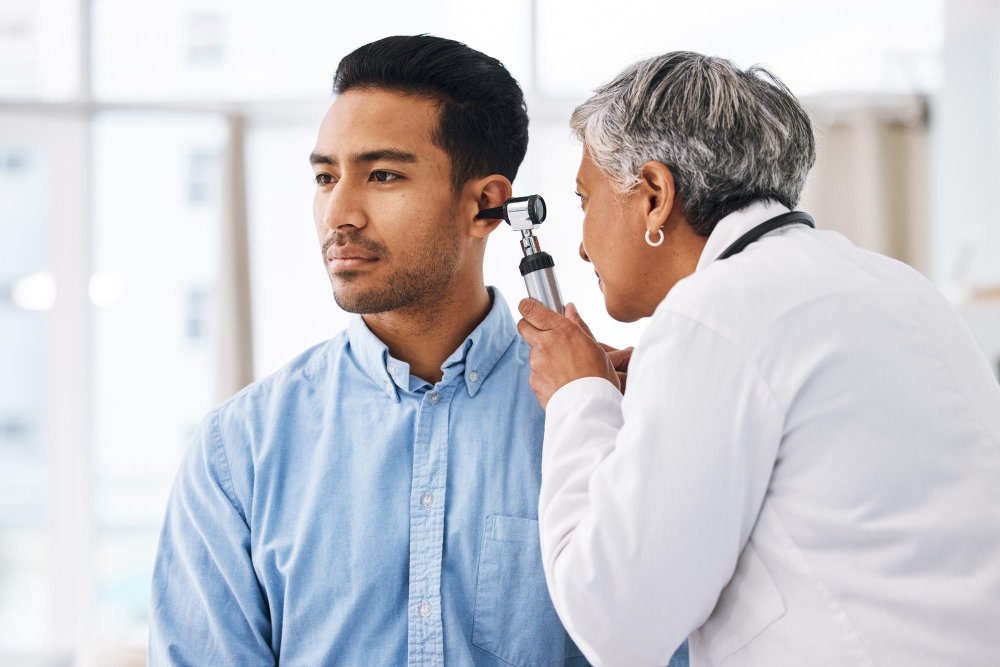
Many people feel nervous about hearing tests. However, the process is simple and painless. First, the specialist will ask about your symptoms and health history. Next, they may look inside your ears to check for blockages or infection. Then, you will wear headphones and listen to sounds at different volumes and pitches. You will press a button or raise your hand when you hear a sound. Sometimes, you may repeat words or sentences. The whole test usually takes less than an hour. Afterward, the results are explained to you right away.
Prevention and Lifestyle Tips
Protecting your hearing is possible. Here are some simple tips:
Additionally, a healthy lifestyle supports ear health. For example, avoid smoking and manage chronic illnesses like diabetes. These steps can lower your risk of hearing loss.
Conclusion and Call-to-Action
In summary, hearing loss can affect anyone. Early detection makes a big difference. If you notice signs of hearing loss, do not wait. Consult an ENT specialist Dr. Sandeep Chary for a professional hearing test and personalized advice. Taking action now can help protect your hearing for years to come.