
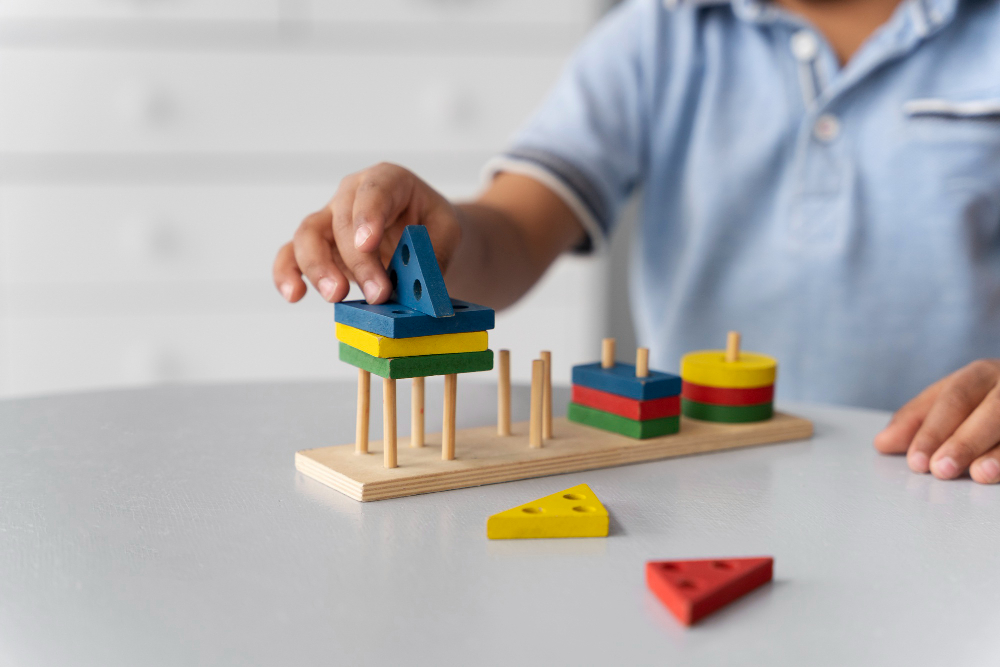
Occupational therapy for children helps kids build important life skills. It supports children who face challenges with daily tasks. Because every child is unique, therapy is tailored to each child’s needs. Occupational therapists use fun and practical activities. As a result, children can improve their independence and confidence. Early support can make a big difference in a child’s life.
What Is Occupational Therapy for Children?
Occupational therapy for children, also called pediatric occupational therapy, helps kids learn and practice daily living skills. These skills include dressing, eating, writing, and playing. Therapists work with children who have delays or difficulties in these areas. For example, some children may struggle with fine motor skills or sensory processing. Occupational therapy uses play-based activities to help children reach their full potential. According to the American Occupational Therapy Association, therapy can help children participate in school and home life.
Key Life Skills Developed Through Occupational Therapy
Children learn many life skills through occupational therapy. These skills help them become more independent. For instance, therapists focus on:
With regular practice, children can improve these child development skills. This helps them succeed at home, in school, and with friends.
Common Challenges Addressed by Occupational Therapy
Many children face challenges that make daily life harder. Occupational therapy can help with:
Because each child is different, therapists create a plan that fits the child’s needs. According to the CDC, early support can improve outcomes for children with developmental delays.
How Occupational Therapists Work with Children
Occupational therapists use many tools and activities to help children. First, they assess the child’s strengths and needs. Then, they set goals with the child and family. Therapy sessions often include:
Therapists also teach parents and teachers how to support the child at home and school. This teamwork helps children make steady progress.
Benefits of Early Occupational Therapy Intervention
Early intervention can lead to better results. When children get help early, they can:
Moreover, early support can prevent bigger problems later. The World Health Organization notes that early therapy can help children reach important milestones.
Tips for Parents to Support Life Skills at Home
Parents play a key role in their child’s progress. Here are some tips to help build life skills at home:
By working together, parents and therapists can help children grow and thrive.
How to Find a Qualified Occupational Therapist
Finding the right therapist is important. To start, ask your child’s doctor for a referral. You can also:
Always make sure the therapist is licensed and has good experience with children. This helps ensure your child gets the best care.
In summary, occupational therapy for children can make a big difference in building life skills. If you have concerns about your child’s development, consult Dr Sandeep Chary for personalized guidance on your child’s life skills development.